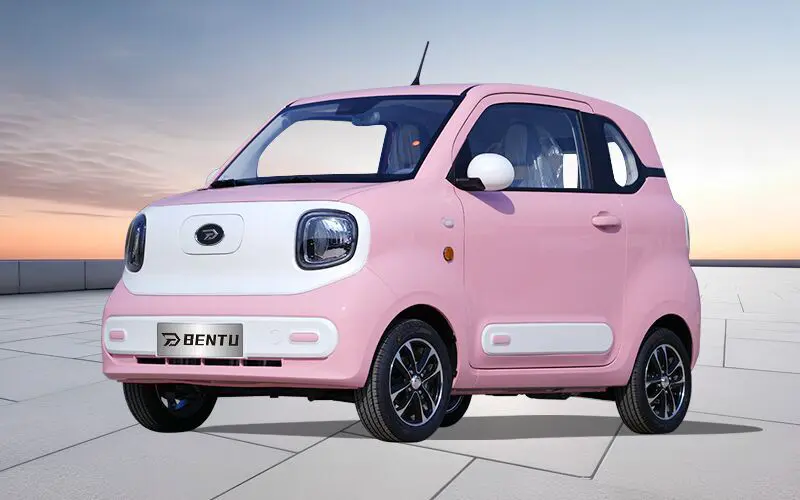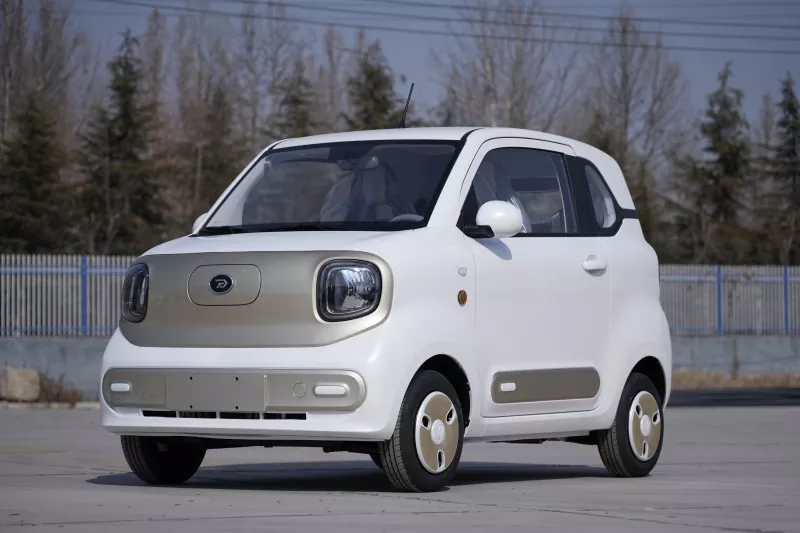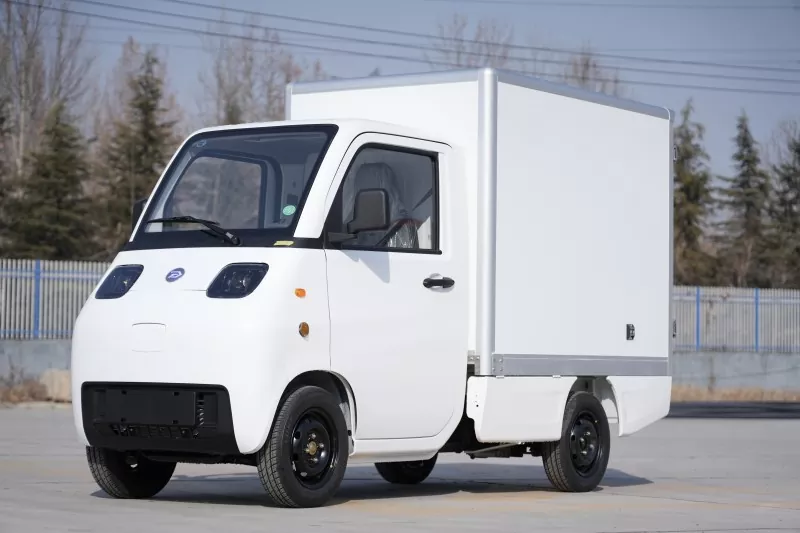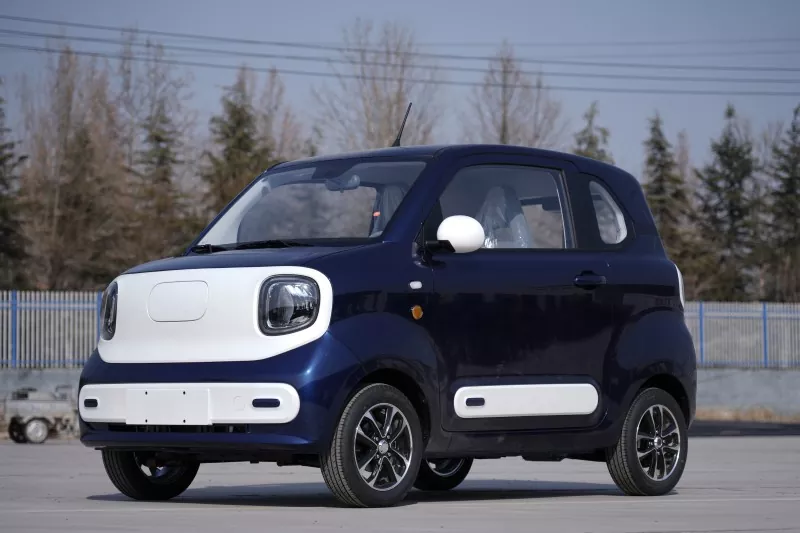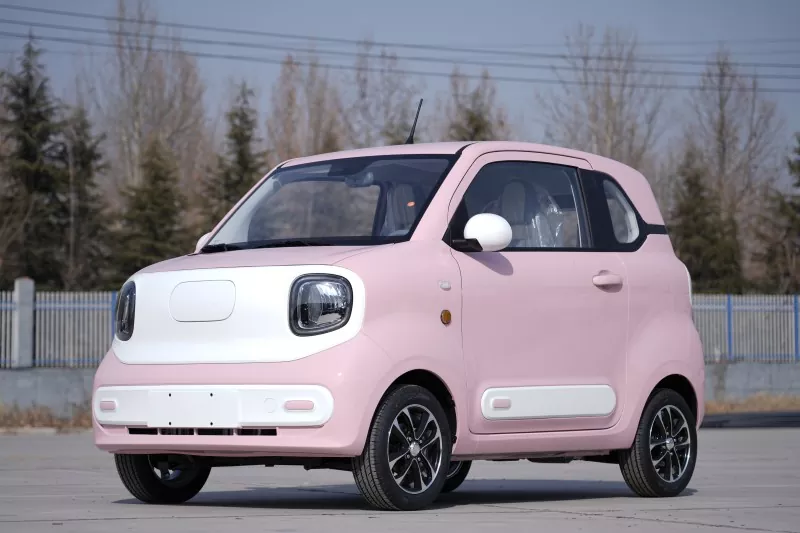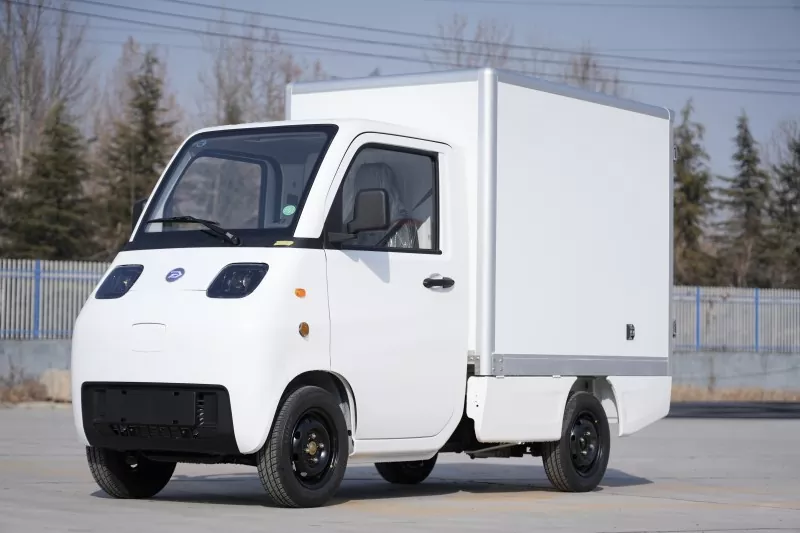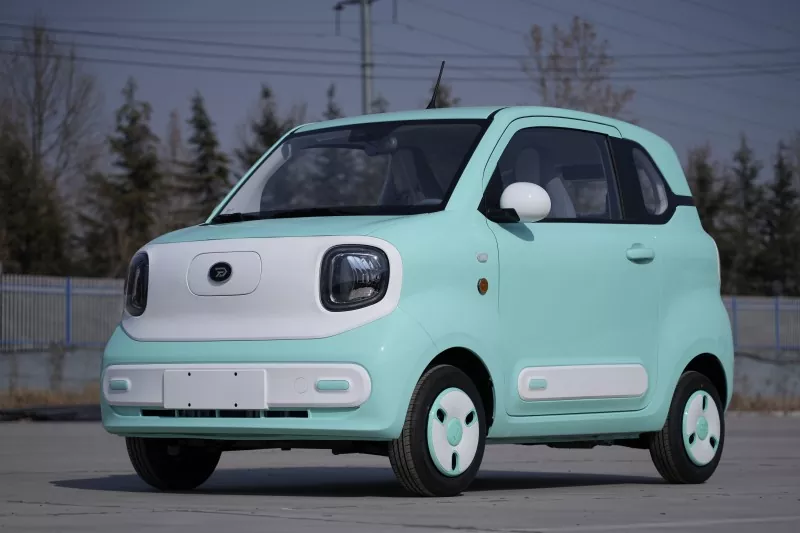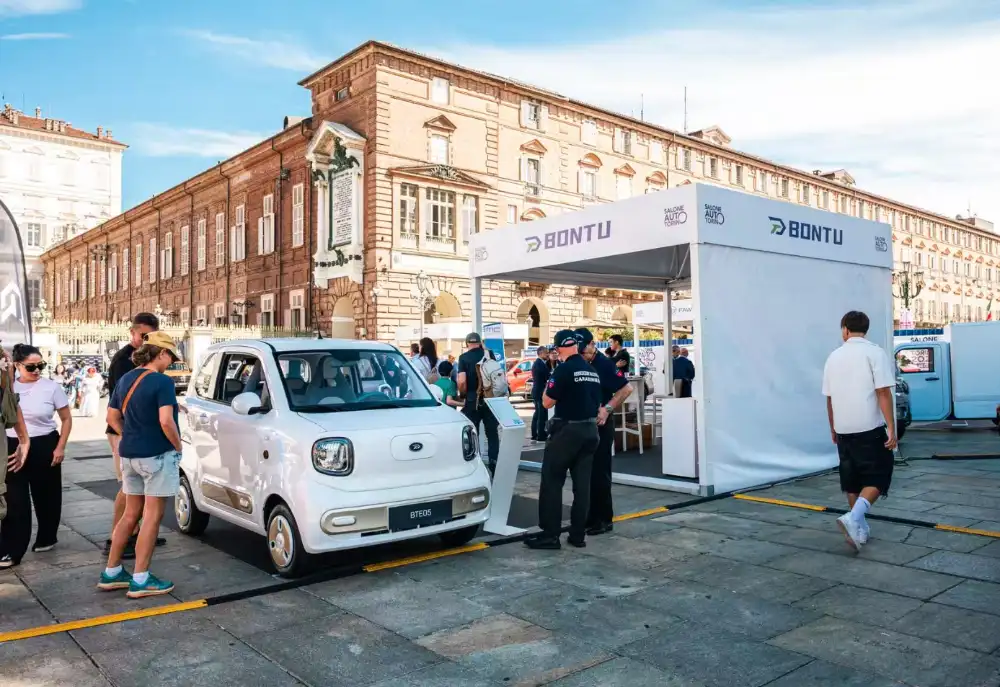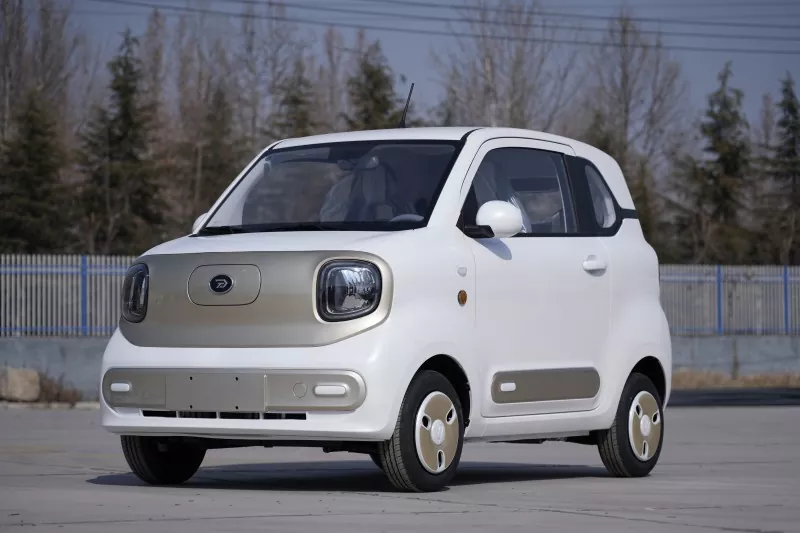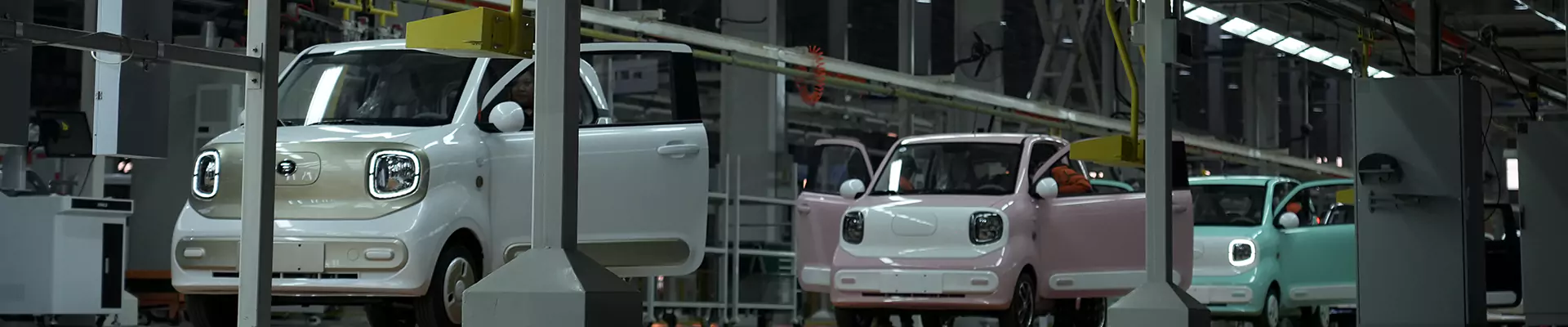
The landscape of urban transportation is rapidly changing, and the EEC Smart Car Electric Car stands at the forefront of practical solutions for modern commuters. This in-depth article explores common mobility pain points and explains how this innovative vehicle addresses them with efficiency, affordability, and user-friendly design.
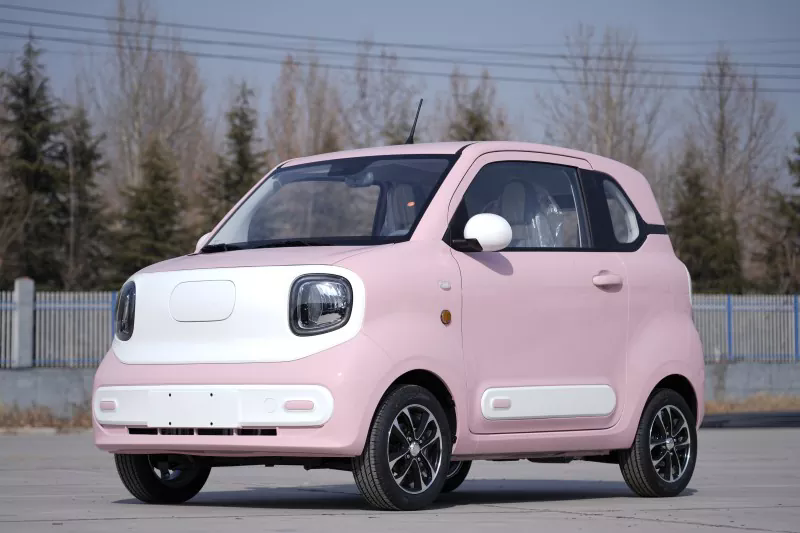
The EEC Smart Car Electric Car is engineered to tackle key challenges faced by contemporary drivers — including high fuel costs, limited city parking, environmental concerns, and daily commuting stress. With its compact size, electric drivetrain, and smart functionality, it presents an adaptable and cost-effective solution. This article provides clear insights, comparisons, and answers to common queries to help you understand whether this vehicle fits your lifestyle and transportation needs.
Before diving into product specifics, it’s important to understand the mobility challenges most urban drivers face:
These challenges set the stage for what an efficient electric vehicle should address.
The EEC Smart Car Electric Car is a compact, all-electric vehicle designed for urban and short-distance travel. Its core strengths lie in efficiency, ease of use, and low operating costs. Ideal for city dwellers, fleet operators, and environmentally-conscious drivers, this vehicle shines in scenarios where traditional combustion-engine cars are less practical.
Electric cars inherently reduce fuel expenses by relying on electricity, which is cheaper and more stable in price than gasoline. The EEC Smart Car Electric Car also benefits from lower maintenance costs due to fewer mechanical parts, regenerative braking systems that extend brake life, and simplified drivetrain configurations.
The vehicle’s compact size makes navigating city streets and fitting into tight parking spaces easier than with full-size cars. This is a major advantage in urban settings where space is limited and parking fees are high.
With zero tailpipe emissions, electric vehicles significantly reduce air pollutants and greenhouse gases compared to internal combustion engines. Urban residents particularly benefit from cleaner air and reduced noise.
| Specification | Detail |
|---|---|
| Motor Type | Electric Motor with High Efficiency |
| Battery Capacity | Varies by Model (Standard / Extended Range Options) |
| Range per Charge | Approx. 80–150 miles (depending on usage and model) |
| Top Speed | Up to 60–80 mph (model dependent) |
| Charging Time | 4–8 hours (standard charging), Faster via optional chargers |
| Seating Capacity | 2–4 passengers (varies) |
These specifications demonstrate the balance between practicality and performance for daily commuting and errands.
| Feature | EEC Smart Electric Car | Conventional Gasoline Car |
|---|---|---|
| Fuel Costs | Low (Electric) | High (Gasoline) |
| Maintenance | Low | Higher |
| Parking Ease | High | Moderate |
| Emissions | Zero Tailpipe | High |
| Noise Level | Low | Higher |
The advantages of electric vehicles become particularly apparent in city scenarios where daily stop-and-go traffic, limited parking, and fuel expenses hit hardest.
Q: What is the typical driving range of the EEC Smart Car Electric Car?
A: Depending on model and battery option, most users can expect between 80–150 miles per charge — suitable for daily urban commuting and typical short trips.
Q: How long does it take to charge?
A: Standard charging typically completes within 4–8 hours. With optional faster chargers, this time can be significantly reduced.
Q: Is the vehicle suitable for highway driving?
A: While optimized for city driving, some variants offer speeds and stability suitable for short highway segments depending on local regulations.
Q: What safety features are included?
A: The EEC Smart Car Electric Car includes standard safety features such as anti-lock braking, parking sensors, and reinforced chassis design.
Q: Can I install a charger at home?
A: Yes — home installation of a Level 2 charger is recommended for faster daily charging and convenience.
The EEC Smart Car Electric Car represents a compelling solution for urban transportation challenges. Its combination of lower running costs, ease of parking, environmental benefits, and smart features make it a strong candidate for drivers seeking a modern, practical alternative to conventional vehicles. Whether for daily commutes, errands, or navigating dense city environments, this electric car delivers notable advantages.
Ready to transform your daily mobility with the EEC Smart Car Electric Car? Contact Bentu to learn more, request a quote, and schedule a test drive today. Contact us and take the next step toward smarter transportation!