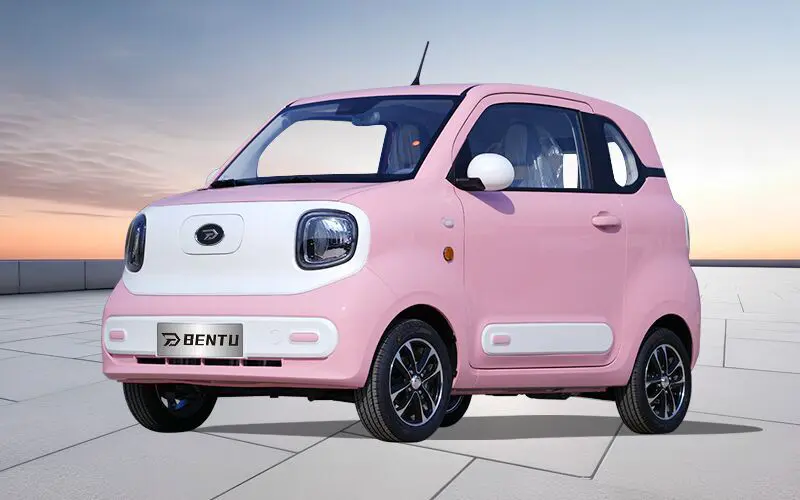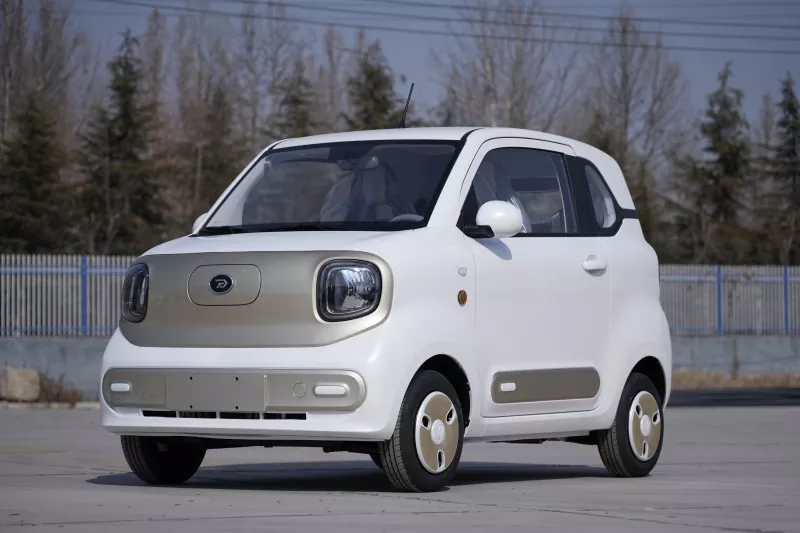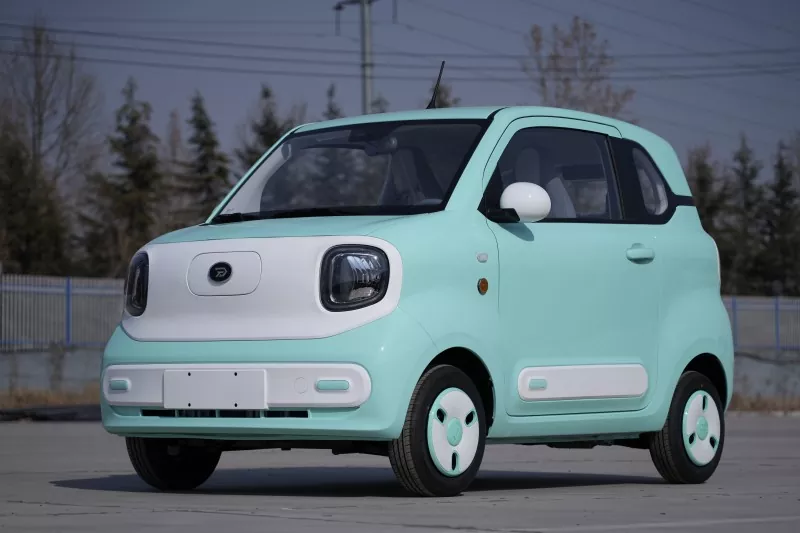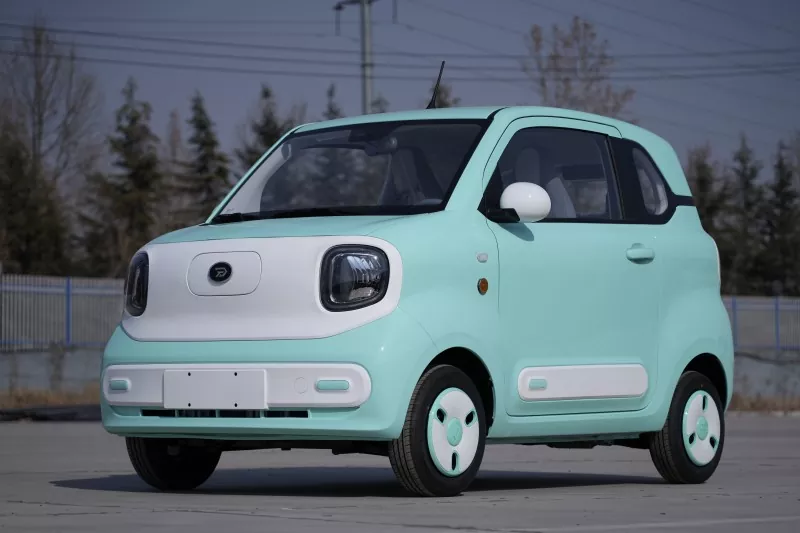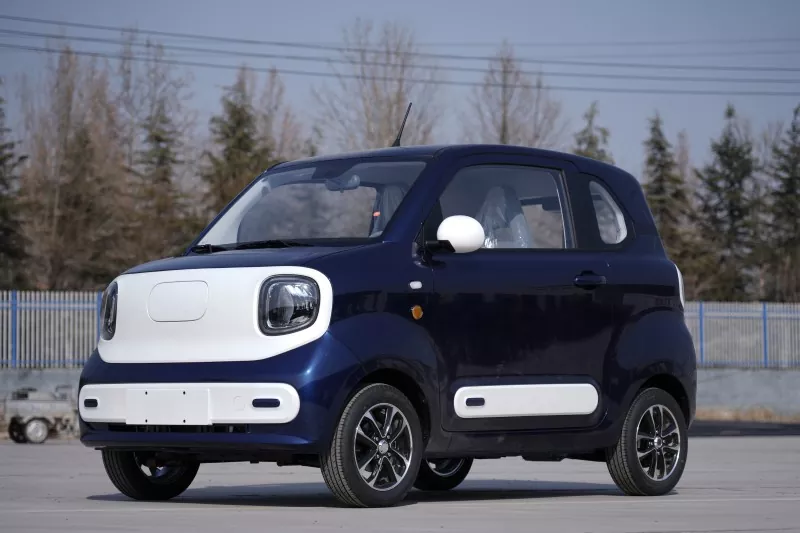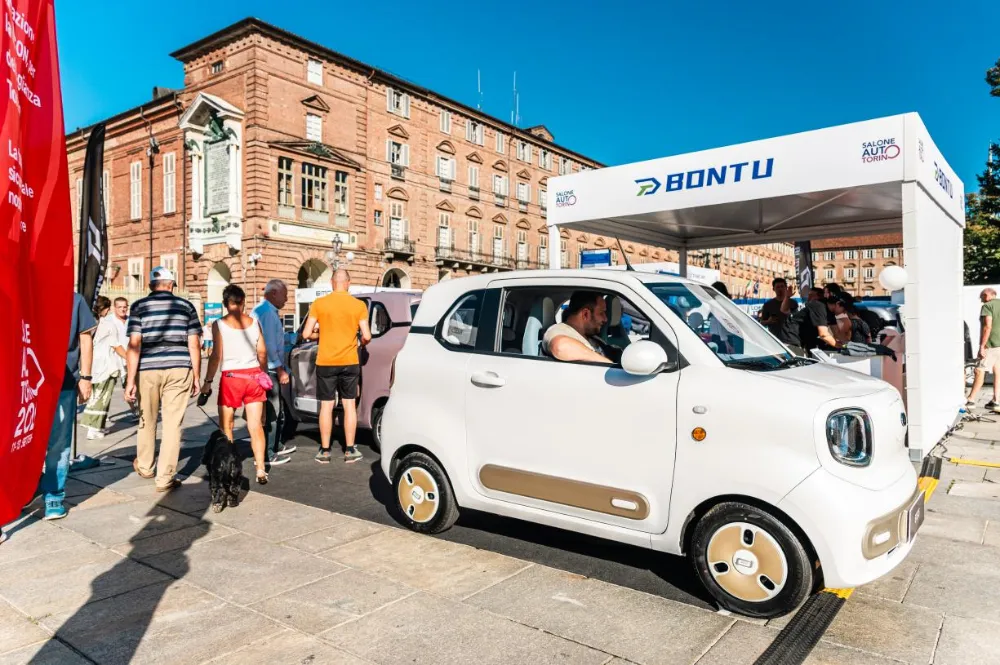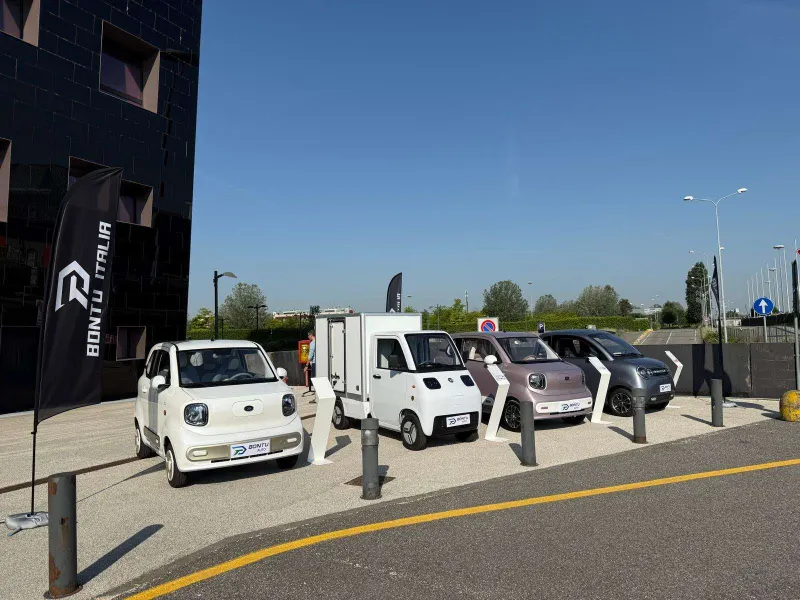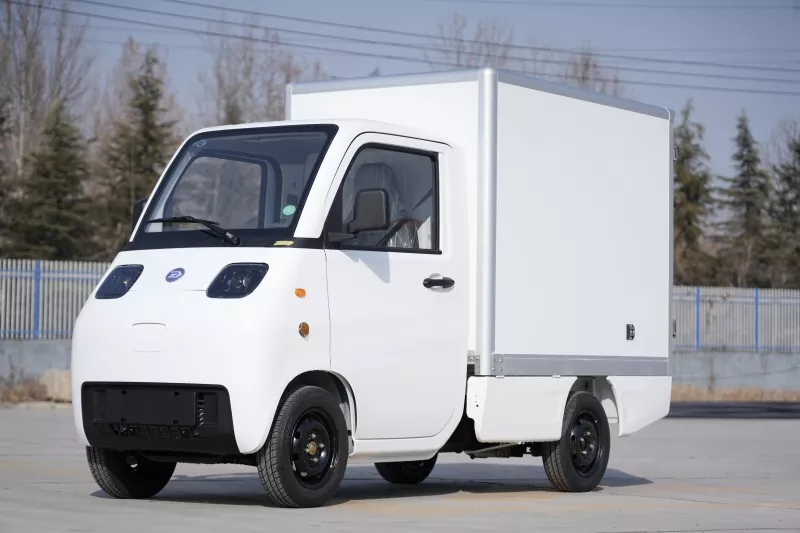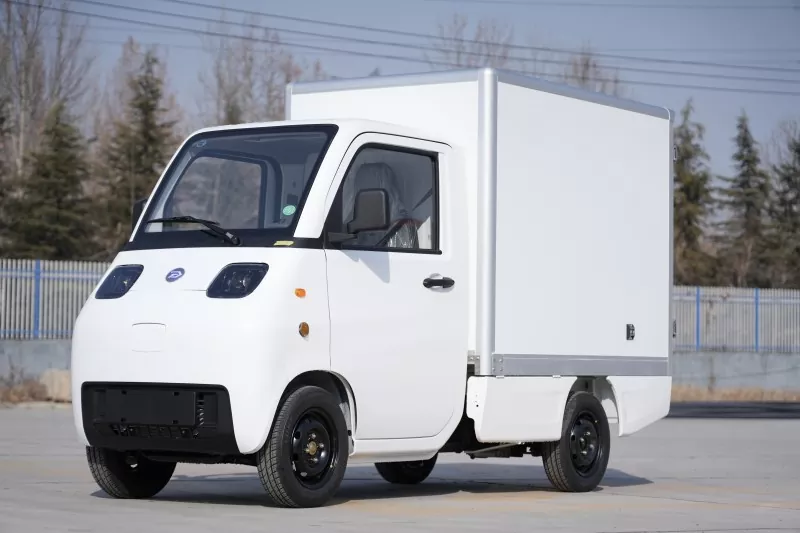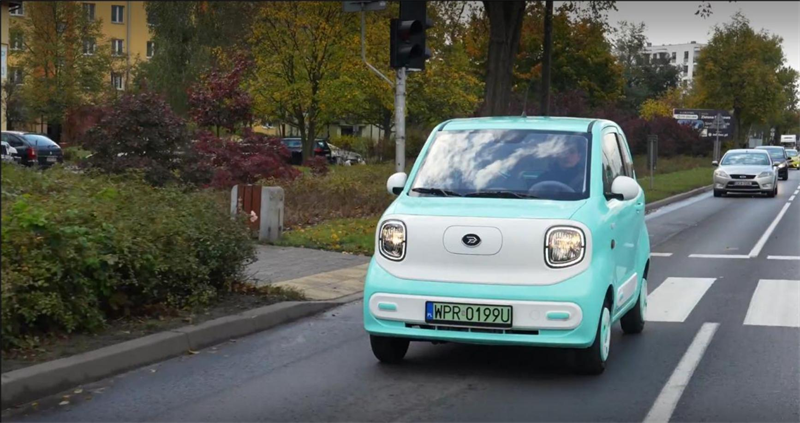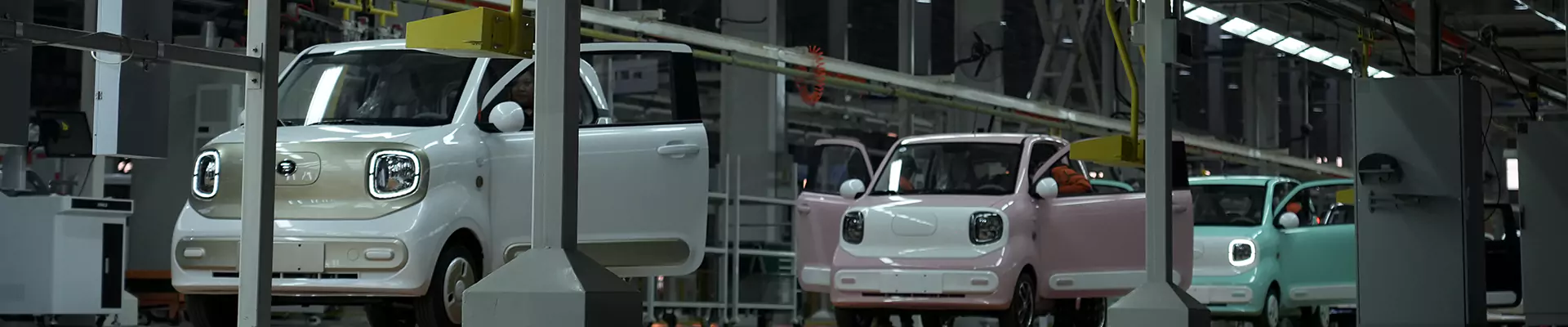
The rapid evolution of urban transportation has accelerated demand for compact, efficient, and eco-friendly vehicles. The Mini Electric 4-Wheel Car is designed to answer that exact demand. As cities grow and congestion increases, consumers and businesses seek vehicles that reduce fuel expenses, lower maintenance costs, and navigate crowded streets with ease.

Mini Electric 4-Wheel Cars are compact electric vehicles engineered for short-distance commuting, campus mobility, last-mile logistics, and daily neighborhood transportation. Their structure prioritizes low energy consumption, easy handling, safety stability, and cost-effective operation. Unlike traditional fuel vehicles, these cars operate silently, require minimal maintenance, and use rechargeable lithium batteries optimized for daily commuting.
| Specification Category | Details |
|---|---|
| Dimensions | Approximately 2250–2450 mm length, 1150–1300 mm width, ideal for narrow roads and urban parking |
| Motor Power | 800W–1500W high-efficiency brushless motor for smooth acceleration |
| Battery Type | 48V/60V/72V lithium or lead-acid options; customizable depending on usage |
| Battery Capacity | 20Ah–58Ah with extended-range configurations |
| Maximum Speed | 25–45 km/h depending on model and regional regulations |
| Driving Range | 50–120 km per charge depending on battery configuration |
| Charging Time | 6–8 hours using standard household outlets |
| Braking System | Front disc + rear drum or full disc for enhanced safety |
| Suspension | Front hydraulic shock absorption + rear spring suspension |
| Seating Capacity | 1–2 passengers, ergonomic seating with safety belts |
| Tire Type | 350-10 vacuum anti-slip tires designed for stability |
| Safety Features | Reversing camera, remote key, anti-theft system, LED lighting |
| Additional Features | Electric windows, heater or fan, multimedia control, digital dashboard |
The combination of compact proportion, electric powertrain, and efficient energy performance makes the Mini Electric 4-Wheel Car suitable for multiple transportation scenarios.
Urban areas face space limitations. Parking scarcity increases frustration and time waste. A Mini Electric 4-Wheel Car fits into small residential garages, narrow alleyways, and compact business zones where traditional sedans or SUVs struggle. Its smaller turning radius makes maneuvering simple, reducing the likelihood of accidents in crowded or complex environments.
Compared with fuel vehicles, electric models eliminate expensive fuel costs and reduce mechanical wear. Electric motors have fewer moving parts and require minimal servicing. No engine oil changes, no spark plugs, and no transmission repairs. The long-life lithium battery provides thousands of charging cycles, significantly lowering lifetime operating expenses.
Although compact, these cars integrate essential safety technologies. Reinforced cabin design ensures stability, while LED lights improve nighttime visibility. The digital dashboard offers real-time data on speed, battery level, and trip distance to ensure safe driving. The reversing camera improves parking precision and reduces blind-spot risks.
Eco-friendly transportation reduces carbon footprints and aligns with global sustainability efforts. With zero combustion and reduced noise pollution, the Mini Electric 4-Wheel Car fits seamlessly into environmentally conscious lifestyles and urban regulations promoting electric mobility.
For short-range commuting—such as travel between home and office, supermarket visits, school drop-offs, or neighborhood movements—the Mini Electric 4-Wheel Car is highly efficient. Its battery range covers typical daily distances without frequent charging. Many users charge the vehicle overnight at home, ensuring it is ready each morning.
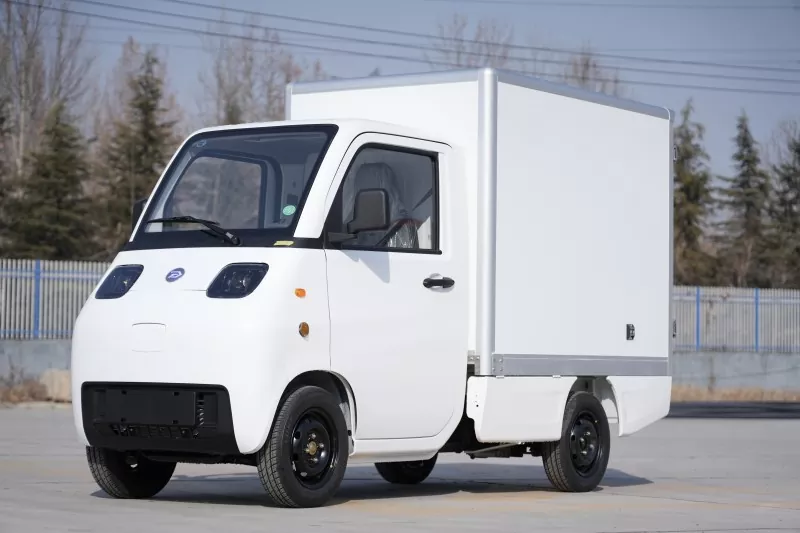
Small businesses, delivery services, and property management teams value these vehicles for their reliability and low energy consumption. They perform well in campuses, tourist zones, industrial parks, and gated communities. The low cost per kilometer makes them ideal for frequent, short transport tasks.
Although compact, these vehicles include features typically found in larger models:
Enclosed cabin for weather protection
Adjustable seating
Ventilation or heating systems
Multimedia control with USB or Bluetooth
Electric power windows
These additions transform a basic transport unit into a comfortable everyday vehicle.
Charging only requires a household power plug, eliminating the need for specialized charging infrastructure. Battery management systems regulate performance and protect against overcharging. Maintenance mainly includes checking tires, lights, and simple lubrication—making ownership stress-free.
Most users require moderate speed for city mobility. The 25–45 km/h range is safe and compliant with many regulations. The available driving range of up to 120 km supports daily use without mid-day charging. For extended routes, higher-capacity lithium battery options provide longer endurance.
Future models are projected to benefit from innovations such as:
Higher-density lithium batteries that extend range
More advanced regenerative braking systems
Smarter vehicle control modules
Enhanced digital instrument panels with more data
Lighter and stronger chassis materials
Improved ventilation and temperature control systems
These upgrades will further improve comfort, durability, and efficiency.
Cities worldwide are implementing:
Emission-restriction zones
Incentives for electric micro-vehicles
Parking concessions
Urban congestion penalties for fuel vehicles
These policies support the adoption of compact electric mobility, making Mini Electric 4-Wheel Cars an appealing choice.
More consumers are prioritizing:
Low-cost transportation
Eco-friendly commuting
Easy parking and maneuverability
Vehicles suitable for elderly drivers or new learners
Vehicles ideal for short-distance lifestyles
This shift aligns directly with the strengths of Mini Electric 4-Wheel Cars.
The growth of electric mobility continues at a global level. Compact EVs occupy a unique space between e-bikes and full-sized electric cars. Their accessibility, safety, and affordability position them as a long-term, sustainable transportation model that fits diverse user groups.
Q1: How long does the battery of a Mini Electric 4-Wheel Car usually last?
A1: The battery lifespan typically ranges from 3 to 5 years depending on charging habits, frequency of use, and environmental conditions. Lithium batteries support more charging cycles than lead-acid batteries and maintain stable performance over long periods. Regular charging, avoiding full depletion, and keeping the battery in moderate temperature conditions help extend its lifespan.
Q2: Is the Mini Electric 4-Wheel Car suitable for rain or winter conditions?
A2: Yes, most models are designed with an enclosed cabin, waterproof electrical systems, and anti-slip tires. They can operate in light to moderate rain and cold temperatures. In winter climates, models equipped with heating systems ensure comfort and safety, while LED headlights provide clear visibility.
The Mini Electric 4-Wheel Car demonstrates how compact electric mobility can reduce daily travel costs, increase convenience, and support sustainable living. With practical performance, low maintenance requirements, and versatile usage applications, it is becoming a preferred mobility choice in modern cities. Continuous improvements in battery technology, comfort features, and safety systems will further enhance market adoption. As manufacturers and consumers collectively focus on efficiency and eco-friendly lifestyles, the rise of this vehicle category is expected to grow steadily.
Bentu continues to develop and supply advanced Mini Electric 4-Wheel Car solutions that meet global safety standards and deliver dependable performance for everyday use. For product details, customization options, and purchasing inquiries, contact us to explore suitable models that fit your mobility needs.