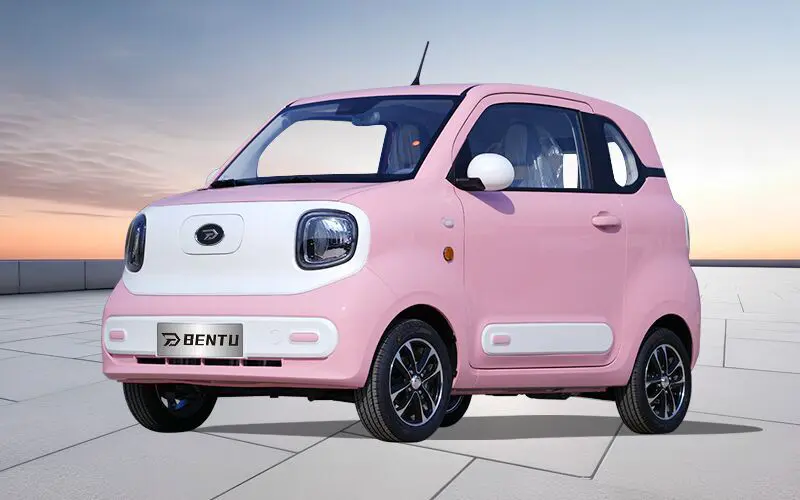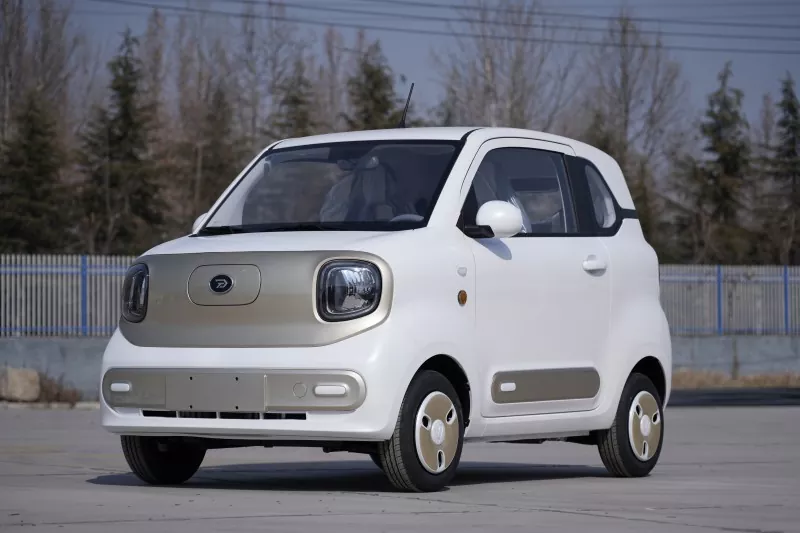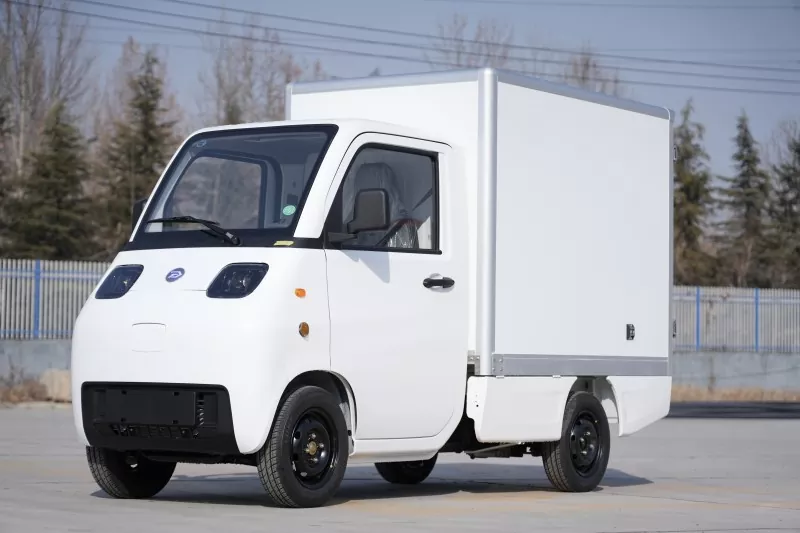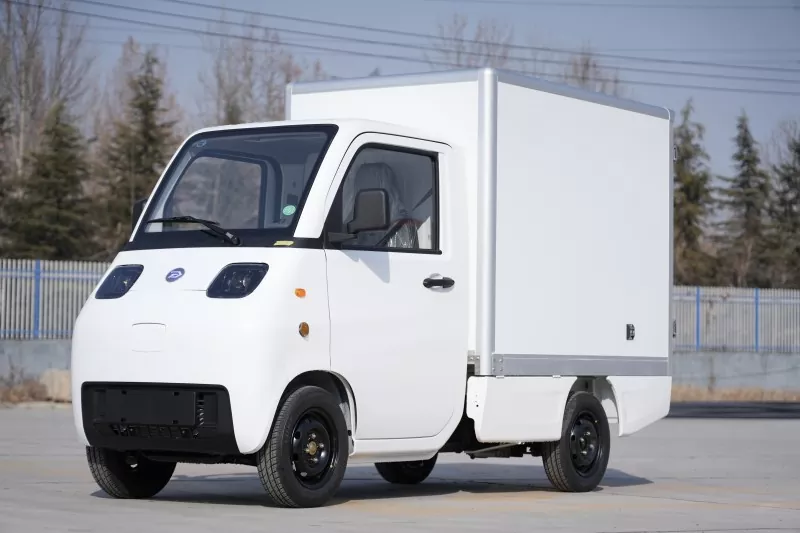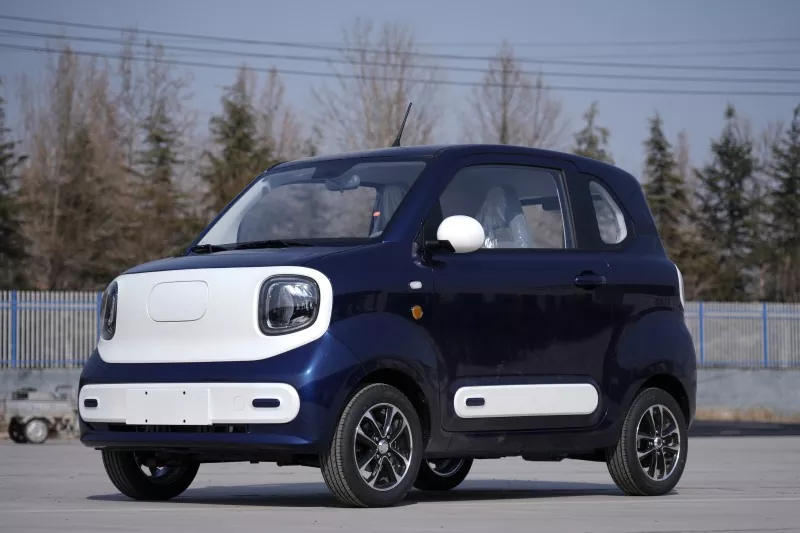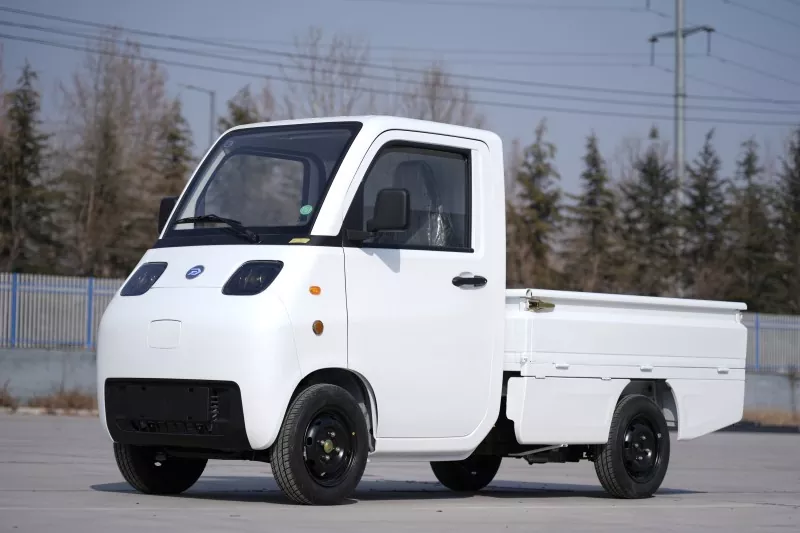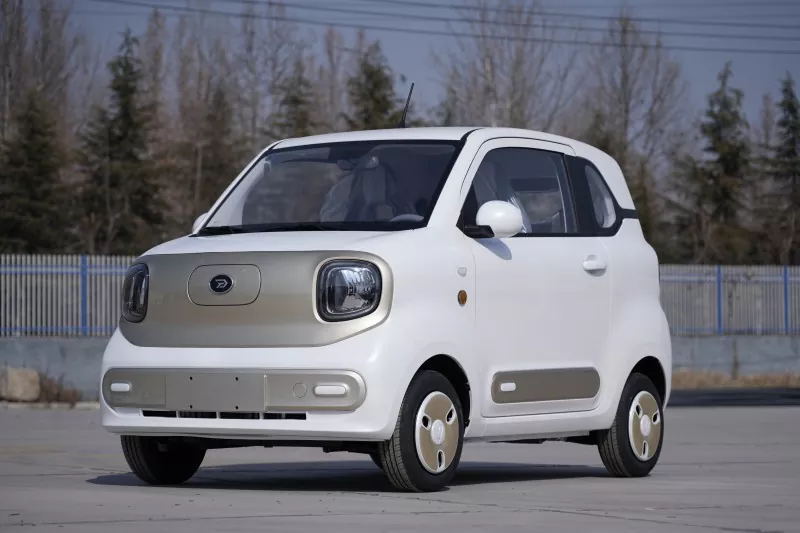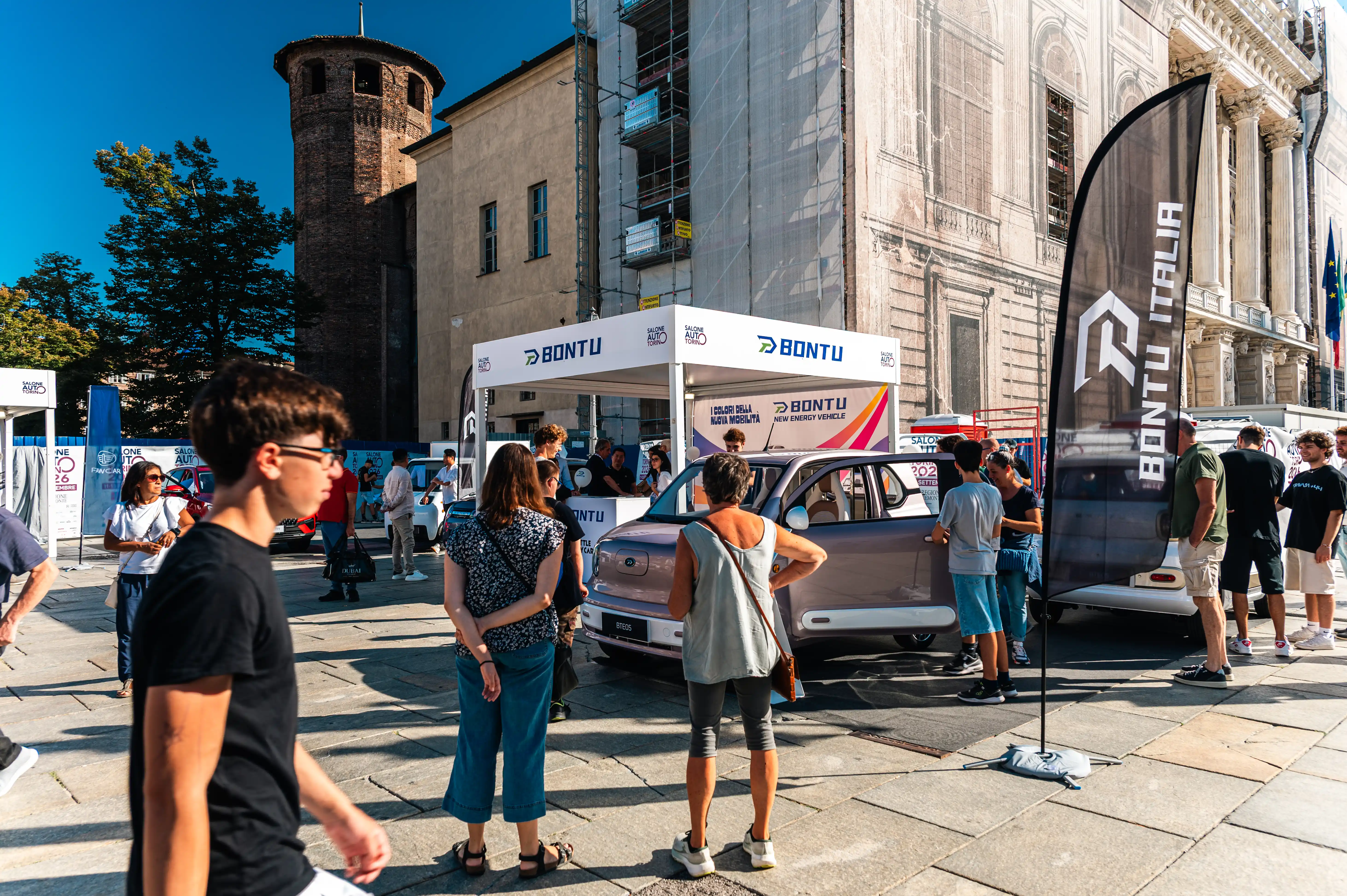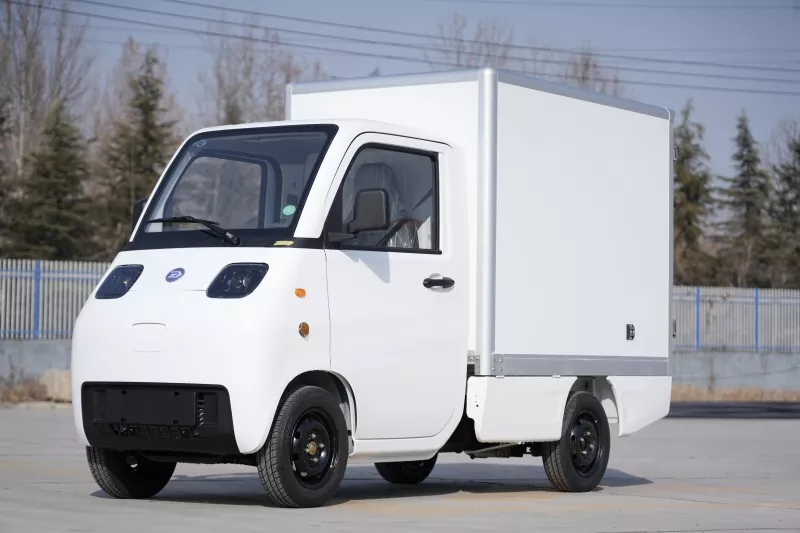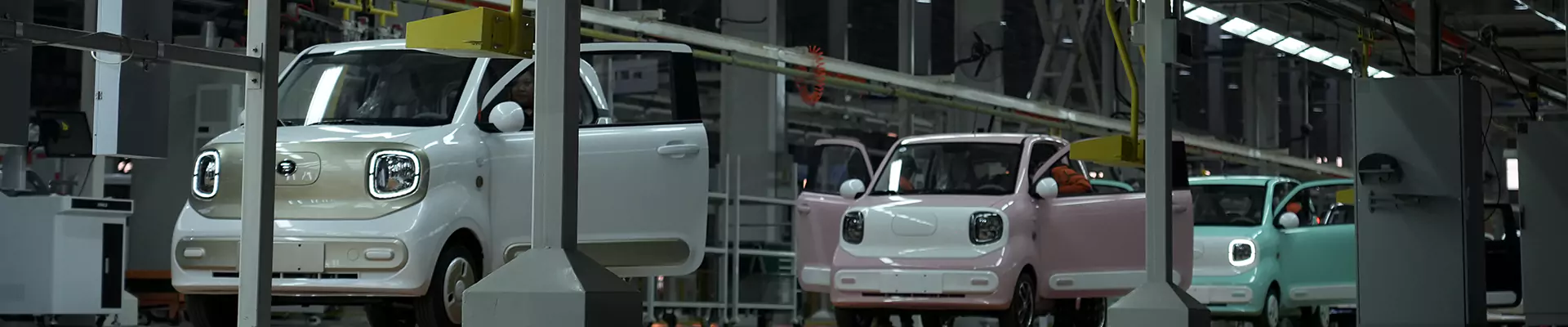
The EEC mini electric vehicle food delivery box represents a specialized solution for last-mile food logistics, combining the efficiency of electric mobility with purpose-built cargo compartments. These vehicles are increasingly popular in urban delivery fleets, offering a compact, environmentally friendly alternative to traditional delivery vans. This guide provides a practical overview of these vehicles, covering their core specifications, key features, and selection criteria.
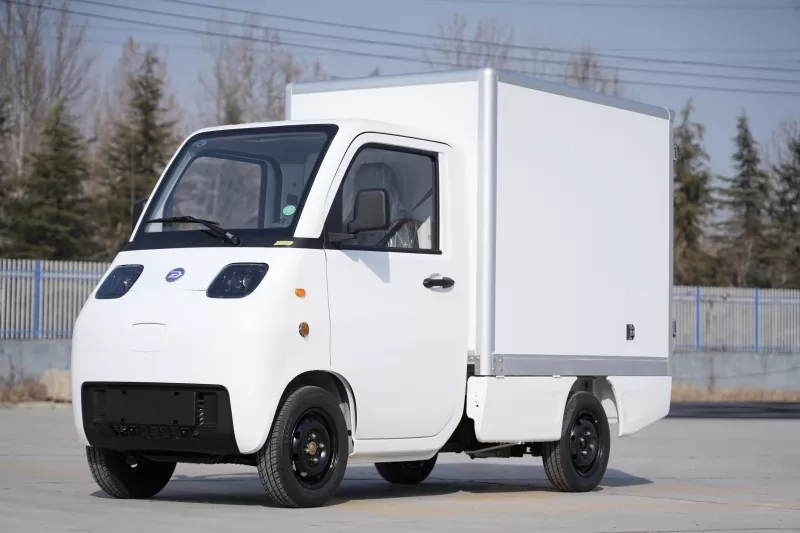
An EEC mini electric vehicle is a compact, four-wheeled electric vehicle designed specifically for commercial cargo transport, particularly food delivery. "EEC" refers to the European Economic Community certification, indicating that the vehicle meets European safety and environmental standards for road use, often falling under the L7e category for light quadricycles.
These vehicles typically feature an enclosed cargo box mounted on the chassis, designed to protect food items during transit. A key differentiator is the availability of temperature-controlled options, including both cooling and heating systems, making them suitable for transporting everything from frozen goods to hot takeout meals.
Based on typical models available in the market, here are the standard specifications for a 4KW EEC mini electric delivery vehicle:
| Parameter | Typical Specification |
|---|---|
| Motor Power | 4KW or 5KW AC motor |
| Battery | 105Ah LiFePo4 (Lithium Iron Phosphate) with BMS |
| Charging Time | 3 hours (fast charge, 220V) |
| Max Speed | 45-52 km/h |
| Max Range | 100-150 km |
| Seating Capacity | 1 person |
| Load Capacity | 400-550 kg |
| Tire Size | Front: 135/70-R12; Rear: 145/70-R12 |
| Brakes | Front disc / Rear disc |
The most significant feature for food delivery is the optional climate-controlled cargo box. This system allows for precise temperature management:
| System Type | Temperature Range | Application |
|---|---|---|
| Cooling System | -18°C to -5°C | Frozen goods, seafood, ice cream, fresh produce, pharmaceuticals |
| Heating System | 40°C to 60°C | Hot takeout meals, cooked food delivery |
Some models offer a dual-compartment cargo box, with one section for cooling and the other for heating, enabling the simultaneous transport of hot and cold items in a single trip.
ABS Resin Plastic Body: The exterior panels are typically made of ABS resin plastic, which is impact-resistant, stable, and approximately two-thirds lighter than steel, contributing to energy efficiency.
LED Lighting System: Integrated front and rear LED lights, turn signals, brake lights, and reverse lights offer low power consumption and improved visibility.
When sourcing these vehicles, look for the following certifications to ensure road legality and safety:
| Certification | Significance |
|---|---|
| EEC / COC | European Certificate of Conformity; required for road registration in many markets |
| CCC | China Compulsory Certification; indicates quality compliance for Chinese-manufactured components |
| DOT / E-mark | Compliance with safety standards for glass and lighting components |
| Delivery Type | Recommended Configuration |
|---|---|
| Cold Chain Delivery (frozen goods, ice cream, fresh produce) | Must be equipped with a refrigerated cargo box, capable of reaching -18°C |
| Hot Food Delivery (restaurant meals, catering) | Choose the heating system (40-60°C) to ensure food arrives warm |
| Mixed Delivery (both hot and cold items) | Select the dual-compartment cargo box model for simultaneous loading |
With a typical range of 100-150 km per charge, these vehicles are best suited for urban and suburban last-mile delivery. Consider your daily delivery distance and whether the 3-hour fast-charging capability fits your operational schedule.
The 400-550 kg load capacity and standard box dimensions (approximately 1635 x 1050 x 1058 mm) provide ample space for food delivery but should be matched to your typical order volume.